updates
Why can't I regulate my emotions?
Written by David Osborn — 0 Views
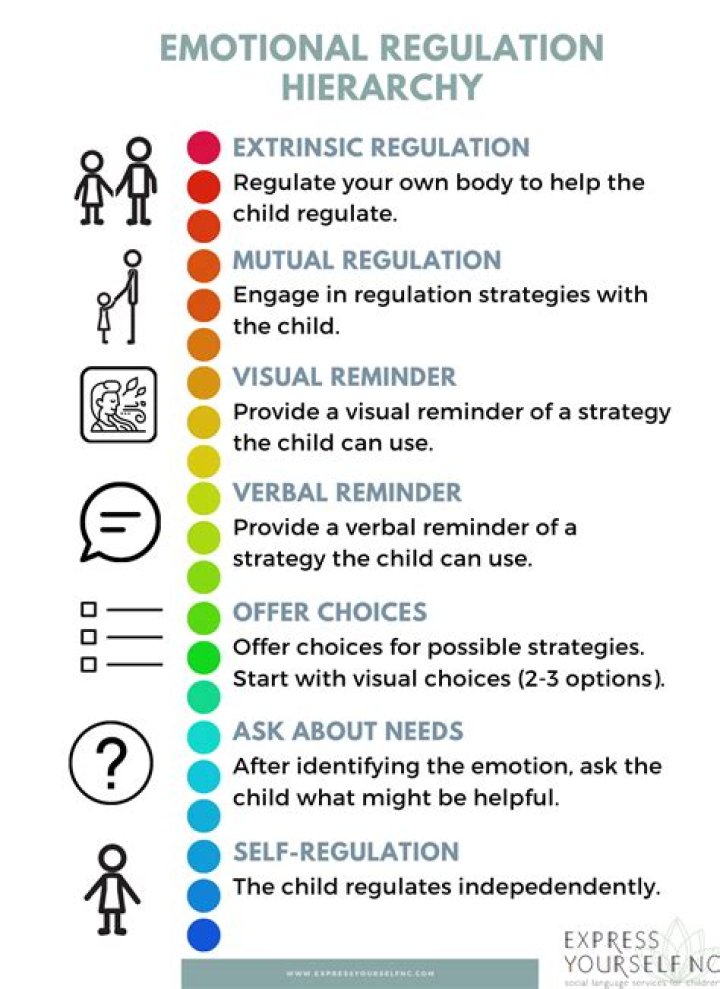
There are many reasons why someone might not be able to control their emotions. Emotional lability not only affects those with mood disorders, but also people with cognitive disorders, and those who have experienced traumatic brain injuries.
Why do I struggle to regulate my emotions?
Stress, anxiety and depression can all have an impact on our ability to manage our feelings and emotions. Recognising that you're having problems coping with stress, anxiety or depression is a positive sign that you can do something about it.What is it called when you can't regulate your emotions?
Mental health professionals call this emotional dysregulation, which is feeling like your emotions are scattered, in constant flux, outside your control, and unmanageable. This is a difficult place to be, but there is hope.How do you fix poor emotional regulation?
There are a number of skills that can help us self-regulate our emotions.
- Create space. Emotions happen fast. ...
- Noticing what you feel. ...
- Naming what you feel. ...
- Accepting the emotion. ...
- Practicing mindfulness. ...
- Identify and reduce triggers. ...
- Tune into physical symptoms. ...
- Consider the story you are telling yourself.
How do you test for alexithymia?
Alexithymia is not a mental health disorder, so doctors and mental health professionals cannot formally diagnose the phenomenon. However, there are questionnaires and scales that professionals can use to check for signs of alexithymia.Do you have the ability to regulate your thoughts and emotions?
What is emotional dysregulation ADHD?
What Is Emotional Dysregulation? Emotional dysregulation is an impaired ability to control your emotional response, leading to extreme or overblown reactions that don't really fit the situation. Some of the key signs and symptoms include: Emotional reactions that seem out of sync with their cause.What is suppressed anxiety?
Suppression is a voluntary blocking of your anxiety where you make an effort not to confront anxiety. Both are mental defense mechanisms, and both can have detrimental effects to your mental well-being.Is bpd emotional dysregulation?
Clients with Borderline Personality Disorder (BPD) typically experience difficulties in five domains. First, clients with BPD generally experience emotional dysregulation and instability, as characterized by high emotional sensitivity, reactivity, and a slow return to one's emotional baseline.Is overreacting a mental illness?
Histrionic personality disorder (HPD) interferes with emotional stability. People with histrionic personality disorder are prone to emotional overreaction in a wide variety of situations, and from the viewpoint of others they may seem constantly on edge.What is the 3 3 3 rule for anxiety?
Follow the 3-3-3 rule.Look around you and name three things you see. Then, name three sounds you hear. Finally, move three parts of your body — your ankle, fingers, or arm.
What are the 9 symptoms of BPD?
The 9 symptoms of BPD
- Fear of abandonment. People with BPD are often terrified of being abandoned or left alone. ...
- Unstable relationships. ...
- Unclear or shifting self-image. ...
- Impulsive, self-destructive behaviors. ...
- Self-harm. ...
- Extreme emotional swings. ...
- Chronic feelings of emptiness. ...
- Explosive anger.
What are the 5 signs of mental illness?
Here are five warning signs of mental illness to watch for, especially when you have two or more of these symptoms.
- Long-lasting sadness or irritability.
- Extremely high and low moods.
- Excessive fear, worry, or anxiety.
- Social withdrawal.
- Dramatic changes in eating or sleeping habits.
What is splitting BPD?
What is Splitting in Borderline Personality Disorder (BPD)? 'Splitting' is common symptom for people with mental health issues like borderline personality disorder (BPD). Splitting means to divide something. It causes a person to view everything and everyone in black and white, 'absolute' terms.How do borderlines think?
People with BPD also have a tendency to think in extremes, a phenomenon called "dichotomous" or “black-or-white” thinking. 2 People with BPD often struggle to see the complexity in people and situations and are unable to recognize that things are often not either perfect or horrible, but are something in between.What is quiet BPD?
People with quiet BPD meet the criteria for a BPD diagnosis, but their symptoms are directed inwardly, directing the anger and blame towards themselves instead of others. People with quiet BPD work hard to hide their struggles from others, not showing their symptoms on the outside.Can you shut off your emotions?
The easiest way for you to numb your emotional response is to control your surroundings. Make sure that you are not triggering extreme emotional responses in the first place. If you know that certain people, places, and activities bring out the worst in you, try to stay away from them as much as possible.How do you release trapped emotions?
Everyone carries unprocessed emotions from experiences to some degree. However, emotions that aren't dealt with don't just go away.
...
Here are a few ways to release repressed emotions:
- acknowledging your feelings.
- working through trauma.
- trying shadow work.
- making intentional movement.
- practicing stillness.
Can anxiety mess with your emotions?
Anxiety has other effects, like releasing adrenaline (since anxiety is related to the fight/flight system), but it also leads to stress, and stress leads to trouble with emotional control and happiness.What are the 9 symptoms of ADHD?
Symptoms
- Impulsiveness.
- Disorganization and problems prioritizing.
- Poor time management skills.
- Problems focusing on a task.
- Trouble multitasking.
- Excessive activity or restlessness.
- Poor planning.
- Low frustration tolerance.
Does Adderall help regulate emotions?
In their meta-analysis, the researchers found that common ADHD meds like methylphenidate and amphetamine did help people with ADHD regulate their emotional frame of mind more effectively.What does an ADHD meltdown look like in adults?
Similarly, people with ADHD can also experience 'meltdowns' more commonly than others, which is where emotions build up so extremely that someone acts out, often crying, angering, laughing, yelling and moving all at once, driven by many different emotions at once – this essentially resembles a child tantrum and can ...Who famous has BPD?
Celebrities That Have Borderline Personality Disorder
- Pete Davidson. Pete Davidson is a comedian on Saturday Night Live. ...
- Brandon Marshall. Brandon Marshall is an NFL wide receiver that has been very vocal about his BPD diagnosis. ...
- Darrell Hammond. ...
- Marsha M. ...
- Ricky Williams. ...
- Mikey Welsh. ...
- Vincent van Gogh. ...
- Conclusion.