news
What is directive control?
Written by Matthew Shields — 0 Views
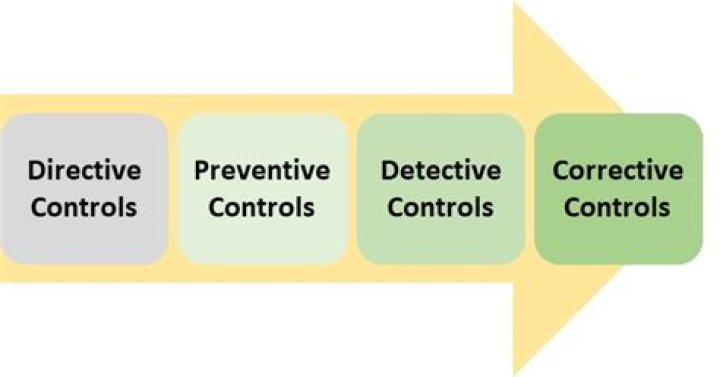
Directive controls are those designed to establish desired outcomes; preventative controls are designed to prevent errors, irregularities or undesirable events from occurring; and detective controls are those designed to detect and correct undesirable events which have occurred.
What is an example of directive control?
Directive controls ensure a particular outcome is achieved. Examples include guidelines, training and incentives. Preventative controls limit the possibility of an undesirable outcome. Examples include tone at the top, authorization, segregation of duties and password protection.What are the three control types?
Three basic types of control systems are available to executives: (1) output control, (2) behavioural control, and (3) clan control. Different organizations emphasize different types of control, but most organizations use a mix of all three types.Is a policy a directive control?
Things like policies are directive controls; they state the practice to be followed but do not stop bad practice from occurring. The Highway Code is an example of a directive control.What are the two types of controls?
Yes, generally speaking there are two types: preventive and detective controls. Both types of controls are essential to an effective internal control system.Directive Control
What are the four types of control?
What Are the 4 Different Types of Controls?
- Manual Controls.
- IT Dependent Manual Controls.
- Application Controls.
- IT General Controls.
What is an operational control?
The exercise of authority over initiating, conducting, or terminating any operation. Often associated with aviation operations.What is directive control in accounting?
Directive Controls are actions taken to cause or encourage a desirable event to occur. They are broad in nature and apply to all situations. – Organization structure. – Policies.What is general control?
IT general controls (ITGC) are the basic controls that can be applied to IT systems such as applications, operating systems, databases, and supporting IT infrastructure. The objectives of ITGCs are to ensure the integrity of the data and processes that the systems support.What are the 5 internal controls?
There are five interrelated components of an internal control framework: control environment, risk assessment, control activities, information and communication, and monitoring.What is concurrent control?
Concurrent ControlsThe process of monitoring and adjusting ongoing activities and processes is known as concurrent control. Such controls are not necessarily proactive, but they can prevent problems from becoming worse.
What are the levels of control?
In management, there are varying levels of control: strategic (highest level), operational (mid-level), and tactical (low level). Imagine the president of a company decides to build a new company headquarters.What are the 7 internal control procedures?
The seven internal control procedures are separation of duties, access controls, physical audits, standardized documentation, trial balances, periodic reconciliations, and approval authority.What are examples of internal controls?
Examples of Internal Controls
- Segregation of Duties. When work duties are divided or segregated among different people to reduce the risk of error or inappropriate actions.
- Physical Controls. ...
- Reconciliations. ...
- Policies and Procedures. ...
- Transaction and Activity Reviews. ...
- Information Processing Controls.