news
Should I put my bonus in 401k?
Written by Michael Gray — 0 Views
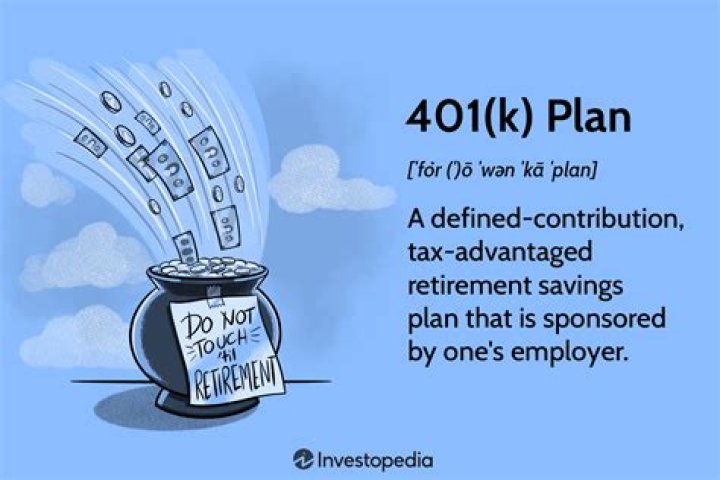
Increase your 401(k) contribution
You should already be contributing to your employer's 401(k) retirement account and taking full advantage of any available company match program if one is available — but if you get a bonus, that's a great opportunity to increase that contribution.Is it better to put your bonus into 401k?
Depending on the size of the bonus and how much you have contributed to the 401(k), you can contribute part of or all of the bonus into a 401(k) to maximize its value. However, if you contribute too much of the bonus, you could hit the annual contribution limit too soon and miss out on company matches.What percentage of my bonus should I put in 401k?
In the example above, 10% is the sweet spot in terms of 401(k) contribution percentage, where (depending on your salary) you are not exceeding the annual IRS contribution limit before the end of the calendar year, which will also allow you to also nab the full employee match.How can I avoid paying tax on my bonus?
Bonus Tax Strategies
- Make a Retirement Contribution. ...
- Contribute to a Health Savings Account (HSA) ...
- Defer Compensation. ...
- Donate to Charity. ...
- Pay Medical Expenses. ...
- Request a Non-Financial Bonus. ...
- Supplemental Pay vs.
Are bonuses excluded from 401k?
A safe harbor 401(k) plan excludes overtime and bonuses from the definition of compensation.Do bonus go into 401k?
Does employer have to match 401k on bonus?
Bonuses are still income from many other perspectives: tax, etc., so there's no reason why 401(k) matching couldn't be the same. The total 401(k) contribution limit doesn't distinguish between "normal" income and bonus income.Does a bonus get taxed differently?
A bonus is always a welcome bump in pay, but it's taxed differently from regular income. Instead of adding it to your ordinary income and taxing it at your top marginal tax rate, the IRS considers bonuses to be “supplemental wages” and levies a flat 22 percent federal withholding rate.Why is my bonus taxed at 40 %?
Why are bonuses are taxed so high? Bonuses are taxed heavily because of what's called "supplemental income." Although all of your earned dollars are equal at tax time, when bonuses are issued, they're considered supplemental income by the IRS and held to a higher withholding rate.Are bonuses taxed twice?
The short answer: you aren't taxed any differently on your bonus income. The IRS just uses a different methodology to withhold taxes from paychecks where you only receive bonus income. If your bonus was lumped into a regular paycheck, the calculations will likely result in more federal income tax withheld, too.What should I do with my bonus money?
Here are nine ways to use a holiday bonus to extend its benefits into the new year and beyond.
- Pay off debt. ...
- Max out your retirement accounts. ...
- Invest in an index fund. ...
- Check in on your emergency fund. ...
- Contribute to a 529 plan. ...
- Invest in yourself. ...
- Move that bonus into a high-yield account quickly. ...
- Save for your next vacation.
What percentage of your bonus should you save?
Smart uses for a year-end bonus may include spending some of it on yourself, some of it on bills and other financial obligations and some of it to save or pay off debt, Weliver says. To start, “It's a good idea to take between 10 to 25 percent of it and use that for yourself,” he says.How are bonuses taxed in 2020?
Meeting your tax liabilitiesThe percentage method is simplest—your employer issues your bonus and withholds taxes at the 22% flat rate—or the higher rate if your bonus is over $1 million.