news
How deep are oil tanks buried?
Written by Caleb Butler — 0 Views
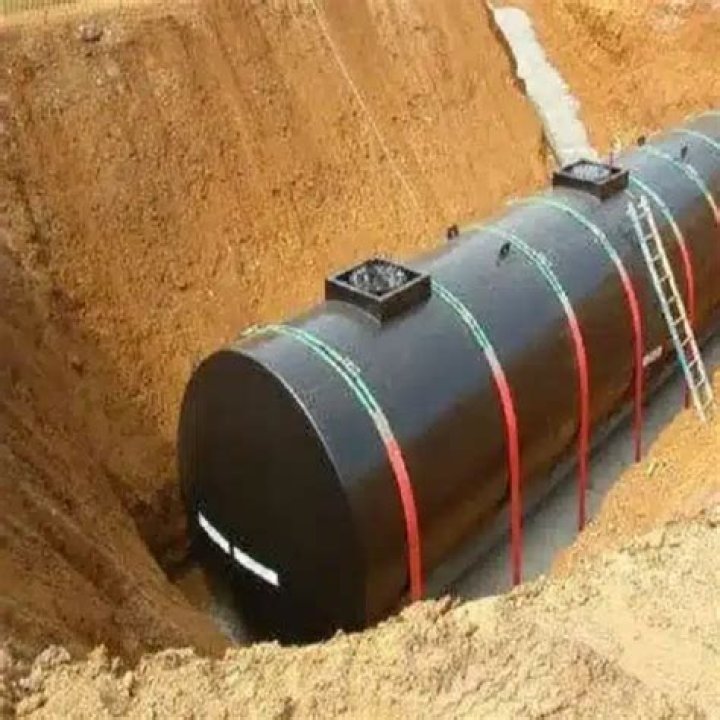
How Deep are Oil Tanks Buried? The depth of the oil tank can range between 1.5 feet to 2.5 feet. However, the best way to determine the location is to look for galvanized piping that emerges from the ground, otherwise known as the vent pipe.
How deep is a oil tank in a house?
Standard residential oil tanks installed above ground, like your basement or backyard, have a 275-gallon capacity. They typically have a horizontal or vertical orientation with a dimension of 44 inches high by 60 inches wide and 27 inches deep.How do you know if an oil tank is buried outside?
The easiest way to identify a potential buried fuel oil tank is to look for a fill pipe and vent pipe at the exterior of the home. Sometimes the pipes will go through the foundation wall of the home. Sometimes they just go down in to the ground.How long do buried oil tanks last?
The common life expectancy of a buried oil tank made of steel is 10-15 years, but at about 20 years the risk of leaks from steel underground oil tanks become higher.How big are underground oil tanks?
Residential buried oil tanks are usually 500, 550, 750, 1000 or 1,500 gallons or occasionally larger. In rare cases some idiot buries an above-ground-use tank that might be 250 or 275 gallons.How to confirm a buried fuel oil tank
What are underground oil tanks made of?
Underground storage tanks (known as USTs) are large containers placed underground to hold large quantities of liquids or gases. USTs are typically constructed of Steel, Aluminum, Fiberglass or a combination of materials. They may be either single-wall or double-wall construction.How long does 100 gallons of oil last in winter?
If your oil tank size is 100 gallons, then your tank will last two-and-a-half days (100-gallon tank / 40.8 gallons = 2.45 days).How big is a standard home oil tank?
The most common size of heating oil tank is 275 gallons, but beware: the size of the tank doesn't indicate how much fuel it actually holds. When full, a 275-gallon tank holds approximately 225 gallons; the rest of the space is left to allow for air or debris at the bottom of your tank.How do you find a buried tank?
When in doubt, call a professional. Specialized tools that can be used to find a tank include metal detectors and ground penetrating radar. Soil borings can be installed in the areas of suspected former tanks. Evaluation of backfill material and surrounding soil can also provide information regarding former tanks.What happens when oil leaks into the ground?
Oil can impact the underground plastic water pipes causing bad tastes and smells in drinking water in the neighbourhood. Kills garden plants and vegetation. Soaks into the brick or stonework of buildings. Can spread through drains and affect the operation of sewage treatment works and septic tanks.Why were oil tanks buried?
Due to their size and unsightliness, as well as the risk of vandalism and theft, tanks were often buried, explains real estate attorney and investor Rajeh Saadeh.Can I bury my oil tank?
Only tanks that are specifically designed and constructed for underground use should be buried partially or wholly underground. Special design allows underground tanks to withstand the pressure exerted on the outside of the tank when it's empty.How deep is a 275-gallon oil tank?
Standard above-ground oil tanks (like those in your home's basement or yard) usually have a 275-gallon capacity. They can come in either a horizontal or vertical orientation and have a dimension of 44 inches high by 60 inches wide and 27 inches deep.How many gallons of oil does it take to heat a house per year?
The average size home in CT can expect to burn approximately 880 gallons of heating oil per year. A typical 2500 square foot home in the northeast will use around 880 gallons of heating oil per year.Can you put diesel in your oil tank?
Diesel is a perfectly fine short-term substitute for home heating oil. Locate your oil tank's fill pipe on the outside of your house, and remove the cap. Pour the diesel fuel down into the fill pipe so it can enter the tank. Do not attempt to remove a plug from the oil tank in your basement and add the fuel that way.How much oil does a house use per day?
If you divide the average amount of fuel used (500 gallons) by the number of days (182), the average home uses about 2.75 gallons of oil each day. The amount of heating oil a household uses in a day depends on several factors.What is an alternative option to removing a buried oil tank?
In certain cases, tank removal is prohibitive (expensive). In these cases, a tank closure in place is the preferred option. Petroleum storage tanks once cleaned can be filled with an inert material, such as sand, concrete slurry or foam.How often do oil tanks leak?
Oil Tank Leak Rates Reported in Real Estate Publications"Statistics indicate as many as 25% of all underground storage tanks (USTs) may now be leaking. These underground tanks may hold oil or gas but can most frequently be found at homes heated with oil.
What is true about underground storage tanks that leak?
Tanks Can Leak Toxic SubstancesUnderground storage tanks hold toxic material, such as gasoline and waste oil, which contain dangerous substances that can cause cancer and harm developing children. Chemicals in USTs can quickly move through soil and pollute groundwater.