Can sepsis cause loss of limbs?
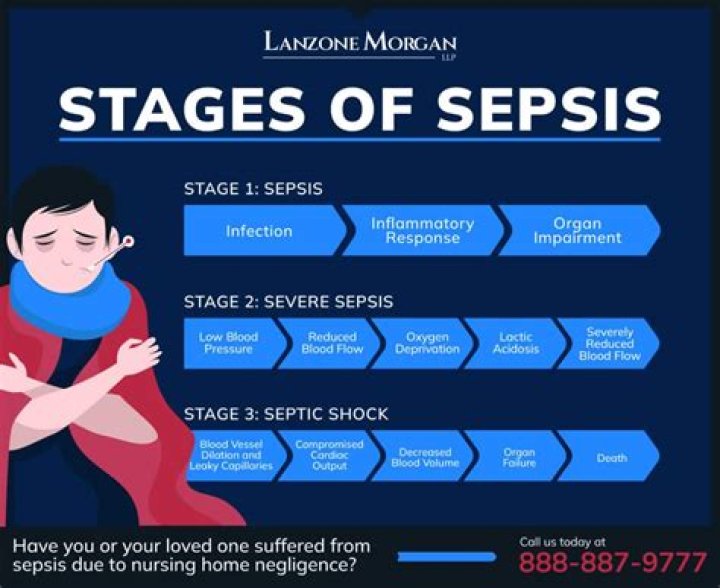
Can you lose your limbs with sepsis?
There are, on average, about 38 amputations a day due to sepsis and about 1% of sepsis survivors undergo one or more surgical amputations of a limb or digit as a result of sepsis. This could be one limb on a patient or multiple fingers/toes and limbs.What causes amputation in sepsis?
Excessive Clotting May Lead to Amputation Due to SepsisBut sometimes the immune system stops fighting the “bad' germs and turns on itself. This is the beginning of sepsis. If sepsis is not treated, it can lead to tissue damage. When too much tissue is damaged, it may require an amputation due to sepsis.
What infection causes you to lose limbs?
Amputation for Severe InfectionSevere sepsis is also called septicemia or blood poisoning. It happens when drug-resistant bacteria overwhelm the body and spread throughout the bloodstream. Sepsis can affect blood flow and cause tissue to die, especially in the toes, fingers, hands and feet.
Can sepsis cause leg paralysis?
Paralyzed muscles can be anywhere in the body, from facial paralysis, like what is caused by Bell's palsy, to quadraplegia, which affects both the arms and legs, as well as some chest muscles. Sepsis is an illness that can develop in some people with paralysis.Sepsis and Septic Shock, Animation.
Can sepsis cause you not to walk?
60% of older adults hospitalized for severe sepsis experienced diminished cognitive and physical functioning, including losing the ability to walk and do everyday activities such as bathing or preparing meals.Can you walk again after sepsis?
Physical Rehabilitation After SepsisAfter a patient has sepsis, they will usually begin rehabilitation in the hospital to build up strength and regain their muscle movement. The hospital staff will assist with bathing, sitting up, standing, walking, and taking the patient to the restroom.
How do you know if your limb is dying?
Intense pain or numbness in the limb while not moving. Sores or wounds unable to heal or heal very slowly. Gangrene. Shiny, smooth, dry skin on the limb.What happens when you have sepsis?
Sepsis happens when an infection you already have triggers a chain reaction throughout your body. Infections that lead to sepsis most often start in the lung, urinary tract, skin, or gastrointestinal tract. Without timely treatment, sepsis can rapidly lead to tissue damage, organ failure, and death.What confirms the diagnosis of sepsis?
Tests to diagnose sepsisSepsis is often diagnosed based on simple measurements such as your temperature, heart rate and breathing rate. You may need to give a blood test. Other tests can help determine the type of infection, where it's located and which body functions have been affected.
How often does infection lead to amputation?
In all, the national data showed that 8.5 percent of patients hospitalized for foot osteomyelitis had a leg or foot amputated, and 23 percent had a toe amputated. About 1.6 percent died before leaving the hospital. Patients who were older, African American or had kidney problems were more likely to have an amputation.Does sepsis shorten your life?
Sepsis is well known to cause a high patient death rate (up to 50%) during the intensive care unit (ICU) stay. In addition, sepsis survival patients also exhibit a very high death rate after hospital discharge compared to patients with any other disease.What does red flag sepsis mean?
Purpuric rash. Red Flag Sepsis. This is a time critical condition, immediate action is required. Assume severe sepsis present. Sepsis Six.Can you lose your arm from an infection?
Complications of cellulitis can be very serious. These can include extensive tissue damage and tissue death (gangrene). The infection can also spread to the blood, bones, lymph system, heart, or nervous system. These infections can lead to amputation, shock, or even death.What constitutes severe sepsis?
Sepsis causes an inflammatory response in your body. Severe sepsis occurs when one or more of your body's organs is damaged from this inflammatory response. Any organ can be affected, your heart, brain, kidneys, lungs, and/or liver. The symptoms you can experience are based on which organ or organs that are affected.How long can you have sepsis before it kills you?
When treatment or medical intervention is missing, sepsis is a leading cause of death, more significant than breast cancer, lung cancer, or heart attack. Research shows that the condition can kill an affected person in as little as 12 hours.What are the 5 signs of sepsis?
Sepsis Symptoms
- Fever and chills.
- Very low body temperature.
- Peeing less than usual.
- Fast heartbeat.
- Nausea and vomiting.
- Diarrhea.
- Fatigue or weakness.
- Blotchy or discolored skin.