news
Can depression cause twitching?
Written by Andrew Hansen — 0 Views
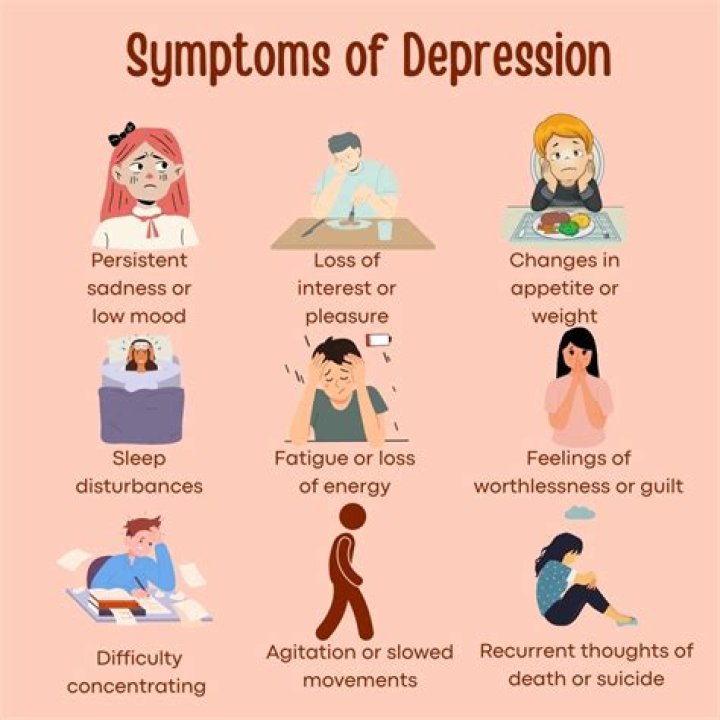
Stress, depression, and anxiety are all known to increase fasciculation potential. These twitches are most often diagnosed as
benign fasciculation syndrome
Benign fasciculation syndrome (BFS) is characterized by fasciculation (twitching) of voluntary muscles in the body. The twitching can occur in any voluntary muscle group but is most common in the eyelids, arms, hands, fingers, legs, and feet. The tongue can also be affected.
› Benign_fasciculation_syndrome
What does anxiety twitching look like?
This could be a small movement or a larger, jerking motion. Anxiety twitching can affect any muscles in the body and any number of muscles at a time. It may last for a few seconds or much longer. In some people, anxiety twitching can happen off and on indefinitely.Why do I suddenly twitch for no reason?
Muscle twitches can happen for lots of reasons, like stress, too much caffeine, a poor diet, exercise, or as a side effect of some medicines. Lots of people get twitches in the eyelid, thumb, or calf muscles. These types of twitches usually go away after a few days. They're often related to stress or anxiety.Can anxiety and depression cause muscle spasms?
Anxiety can come with a range of physical symptoms, including muscle twitches. Muscle twitches are caused when your brain interprets anxiety as stress and sends signals to your body that trigger muscle spasms. These spasms can occur in different muscle groups at any time.What mental illness causes twitches?
Some people with schizophrenia may also have movement disorders, like muscle twitches, repetitive motions, or general clumsiness. Depending on what type of schizophrenia a person has, some symptoms may be stronger than others.Effects of Stress: Can It Really Cause Acne, Gray Hairs & Muscle Spasms? (Amy Braddock, MD)
Is it normal to have muscle twitches everyday?
And if they happen to you frequently, you might worry whether they're normal. "Fasciculations, which are random, involuntary muscle twitches, are extremely common," says Dr. William Ondo, a neurologist who specializes in movement disorders at Houston Methodist. "About 70% of people report experiencing them."How long does anxiety twitching last?
When muscle twitching symptoms are caused by apprehensive behavior and the accompanying stress response changes, as the anxious and stress response changes come to an end, this anxiety symptom should subside. Keep in mind, it can take up to 20 minutes or more for the body to recover from a major stress response.Can stress cause twitching all over body?
What causes muscle twitching? Stress – Anxiety and stress can cause twitching by releasing neurotransmitters from the nerves supplying the muscles. Also, anxiety can make you hyperventilate, or breathe faster, which changes the ions concentration and pH in your body, and predisposes you to muscle twitching.How common is anxiety twitching?
Muscle twitching is a common symptom of anxiety. Those with chronic and severe anxiety may experience muscle twitching more often. Causes of muscle twitching vary, from adrenaline to vitamin loss, and more. The twitching itself is not dangerous, but is a sign that anxiety needs to be treated.How do you stop muscle twitches?
Here are some things to try:
- Stretching. Stretching the area that has the muscle spasm can usually help improve or stop the spasm from occurring. ...
- Massage. ...
- Ice or heat. ...
- Hydration. ...
- Mild exercise. ...
- Nonprescription remedies. ...
- Topical creams that are anti-inflammatory and pain relieving. ...
- Hyperventilation.
Why does my body keep twitching and jerking?
Myoclonus may be caused: most commonly by a disturbance of the brain or spinal cord (the central nervous system, or CNS), or. more rarely by an injury to the peripheral nerves (the nerves outside the CNS that connect to sensory organs and muscles, and relay information from/to the CNS).Is ALS twitching localized?
In ALS, twitching can start in one place. However, it will often spread to the areas near that starting point rather than appearing in random places. Many people with BFS fear that it can turn into ALS. However, the two disorders are different and do not seem to have any significant link to each other.Where do ALS muscle twitches start?
The effects of ALS vary. Some people may have more advanced symptoms depending on the motor neurons affected. One common symptom is twitching and cramping within your muscles, including places like your legs and shoulders.Can hormones cause twitching?
Certain drugs like estrogen and corticosteroids can also trigger muscle twitching. More serious causes of muscle twitching. Muscle twitching could mean more than just a twitch in the eye. Some muscle spasms could be a symptom of a more serious issue.Can chronic stress cause muscle twitching?
Stress, depression, and anxiety are all known to increase fasciculation potential. These twitches are most often diagnosed as benign fasciculation syndrome, or BFS. This term captures a range of specific causes of involuntary twitches and muscle spasms that do not have a serious or even a known cause.Does twitching with ALS come and go?
The sensation can be a one-off event or can continue sporadically for weeks or even months and in most cases will cease on its own. People living with ALS will often experience muscle twitching as the signal from the nerves to the muscles become more disrupted.Does twitching come before weakness in ALS?
The earliest symptoms may include fasciculations (muscle twitches), cramps, tight and stiff muscles (spasticity), muscle weakness affecting a hand, arm, leg, or foot, slurred and nasal speech, or difficulty chewing or swallowing.How do you rule out ALS?
How is ALS diagnosed?
- Electromyography (EMG) is a recording technique that detects electrical activity of muscle fibers and can help diagnose ALS.
- A nerve conduction study (NCS) measures the electrical activity of the nerves and muscles by assessing the nerve's ability to send a signal along the nerve or to the muscle.